
The 40-Yard Dash Doesn't Lie, But Does it Tell the Whole Truth?
Every year, hundreds of college football's best prospects converge on Indianapolis for a week that can define their professional futures.
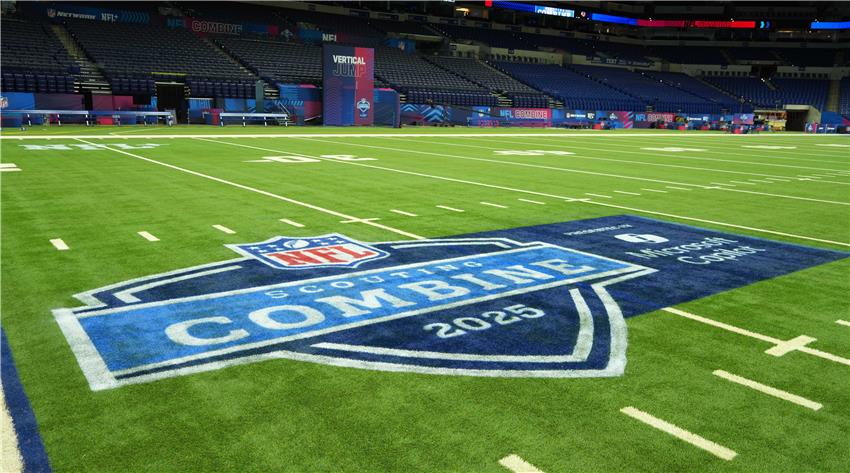
The NFL Scouting Combine is many things, a medical clinic, a job interview, even a circus to some people but above all else, it is the moment when years of college tape gets distilled into a handful of numbers.
And of those numbers, none carry more weight, or generate more debate, than the 40-yard dash.
Why the 40-Yard Dash Dominates Everything
A time in the 4.3s can push a player up several spots regardless of what three years of college tape shows.
A slow dash can drop a player who dominated at every level of the game.
The logic is straightforward. Elite speed is one of the very few physical traits that cannot be coached into a player, and NFL teams have always paid a premium for it.
When a receiver clocks a 4.28, every front office in the league takes notice and so do the markets. Draft position odds on the best betting sites can shift meaningfully within hours of a standout 40 time.
This makes combine weekend one of the most active periods in the pre-draft betting calendar.
The Misleading Side of the Combine
The problem is that the combine measures athleticism in isolation, not football.
A receiver running a 4.28 in shorts with no pads and no defender in front of them is not the same receiver running a route against press coverage on a wet field in a playoff game.
History is full of elite combine performers who never translated to the professional level, and of late-round picks who ran slow dash times and became All-Pros.
The combine identifies potential but it cannot replicate an actual football game, and it cannot tell you how a player responds when the plan falls apart.
Is the combine a genuinely useful piece of information, if you don’t pin everything on it? For sure.
But can it also become misleading, if that’s all you look at, and a player has a great or terrible day? That’s also true.
It's a view that is gaining traction inside the industry too, with NFL agents and scouts openly questioning the drill's value in recent years.
What Scouts Actually Prioritize
Experienced scouts treat the combine as one input among many.
Medical evaluations, which are never made public, often carry more weight in a team's internal discussions than any on-field drill.
Interviews reveal how a player processes information, handles pressure, and fits a programme's culture.
Position-specific work provides more diagnostic value too. A receiver's route running, an offensive lineman's kick-slide, an edge rusher's pass-rush repertoire all give scouts something the stopwatch never can.
Getting these priorities correct is how the best scouts and recruiters prevent the combine from misleading them, and instead, they use it to its full potential.
How Combine Numbers Shape Draft Day
Despite its limitations, the combine still moves draft boards in real time.
A breakout week can push a player into the first round while a disappointing showing can cost a prospect millions in guaranteed money before a single snap of professional football has been played.
The NFL Draft Buzz 2026 NFL Scouting Combine breakdown is worth reading for a detailed look at how this year's prospects measured up and which performances genuinely changed the conversation heading into draft weekend.
The 40-yard dash will always matter. It just doesn't matter quite as much as combine week would have you believe.
If you’re the best, you understand this, but there’s still plenty out there who get fooled, and make bad picks each year.