
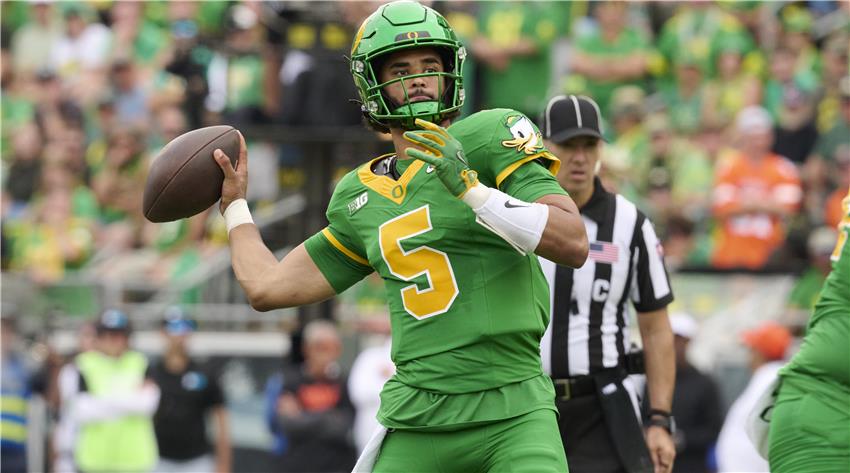
Rookie Quarterbacks Under Pressure: The Teams Asking Too Much Too Soon
Rookie quarterbacks in the NFL are being thrown into situations that no earlier generation of first-year passers had to face.
The teams drafting them are asking for immediate returns that would have been considered unreasonable even a decade ago, and the specific ways this pressure manifests explain a lot about both the individual outcomes and the broader league trends around quarterback development. Understanding which teams are asking too much and which are giving their rookies the foundation they need is one of the most useful lenses for evaluating the current NFL landscape.
The specific pattern that has changed for rookie quarterbacks
The old pattern for rookie quarterbacks was to sit for at least a year, learn the professional game, and take over when the veteran ahead of them retired or moved on. This model produced quarterbacks who arrived at their first start with a full year of practice reps, film study, and mental preparation behind them. It was slow, but the failure rate was lower than what the current environment produces.
The current pattern throws rookies into starting roles from day one. Teams that draft quarterbacks early expect them to play immediately, sometimes without adequate protection, without proven receivers, and without the veteran support systems that older rookies had. The specific pressures this creates show up in ways that are visible in the games themselves and in the longer-term developmental trajectories that follow.
The teams asking too much of their rookies
Some teams are more guilty of this pattern than others. The teams asking too much combine several factors: they draft the quarterback into a roster that lacks the supporting pieces, they install offensive systems that assume more experience than the rookie has, and they respond to early struggles by adding more responsibility rather than by simplifying the demands.
Publications like draft-focused outlets have identified specific current teams that fit this profile. The rookies on these teams are being asked to make progressions, adjust protections, and audibles in situations that veteran quarterbacks with years of experience would find challenging. The specific results have been predictable: worse performance than the raw talent should have produced, and sometimes lasting damage to developmental trajectories that would have progressed normally under better conditions.
What "too much too soon" actually looks like in practice
The specific behaviors that indicate too-much-too-soon are visible in games if you know what to look for. Rookies who show good arm talent but poor pre-snap recognition are usually being asked to process more than they can handle at the current stage. Rookies who make good decisions on schemed reads but struggle when the play breaks down are usually lacking the improvisational experience that comes from live reps at lower levels.
The most obvious tell is the frequency of pressure that the rookie faces. Rookies playing behind bad offensive lines cannot develop normally because every play becomes a scramble drill rather than a designed progression. The NFL Betting Odds markets often reflect these situational challenges before general fans notice them, since the analysts covering these markets pay close attention to line quality and protection schemes as predictors of quarterback performance.
Teams that are handling their rookies well
Some teams have identified the pattern and adjusted their approach accordingly. The teams handling their rookies well combine several practices: they invest in offensive line quality before making the quarterback pick, they build systems that let the rookie succeed early through simplified reads, and they add complexity gradually as the rookie shows readiness for it.
Detailed grading analysis has documented which current teams are executing this approach and which are not. The teams that are doing it right produce rookies who look more capable than their raw physical tools alone would predict. The teams that are doing it wrong produce rookies who look less capable than their draft position suggested they should be, and the gap between the two groups is wider than most casual coverage acknowledges.
The specific mistakes that damage rookie development
Certain specific mistakes damage rookie development in ways that persist beyond the immediate season. Rushing rookies into starting roles before they are ready produces game film that shapes the coaching staff's perception of the player, sometimes permanently. Losing streaks that result from these premature starts create locker-room dynamics that undermine the rookie's authority when they eventually stabilize.
The specific mistake that shows up most often in current NFL coverage is asking rookies to run offenses designed for veterans without simplifying the pre-snap requirements. Veteran offenses assume a level of processing speed that rookies simply do not have, and forcing rookies to run them anyway produces game film that makes the rookie look worse than they are while also failing to develop the skills that would let them eventually run the veteran system successfully.
What good early-career support actually looks like
The good news is that some teams are demonstrating what appropriate rookie support actually looks like. The specific patterns include: designating a veteran mentor with actual quarterback experience rather than a coaching-adjacent figurehead, structuring practice reps to give the rookie a genuine chance to develop rather than treating practice as a rehearsal for the game plan, and giving the rookie explicit permission to check out of plays that expose them to physical risk without offsetting reward.
Coverage of coaching approaches has documented these specific practices at the teams that have implemented them well. The specific quarterbacks on these teams have outperformed their draft position, sometimes substantially, and the pattern is consistent enough to be worth studying as a template for other franchises considering their approach to rookie development.
The role of the offensive coordinator in rookie success
Offensive coordinators have become the most important single factor in whether a rookie quarterback succeeds or struggles. The specific abilities that matter include: designing game plans that match the rookie's current developmental stage, adjusting during games based on what the defense is showing rather than staying with a pre-planned script, and giving the rookie feedback that is specific enough to be actionable rather than general enough to be forgettable.
The coordinators who have developed reputations for handling rookies well have become valuable enough that they are being poached by teams specifically for their rookie-development expertise. This is a relatively new dynamic in NFL coaching markets, but it reflects the reality that rookie quarterback development is now a specialized skill that not every coordinator possesses.
Injury risk as an underappreciated dimension
Rookie quarterbacks facing too much pressure are exposed to injury risk that goes beyond the ordinary hazards of the position. Constant scrambling wears down bodies in ways that structured pocket play does not. Late throws taken in the face of pressure produce specific injury patterns that shape careers beyond the initial trauma. The specific injury profile of overworked rookies is different from the profile of veterans, and it deserves more attention than most coverage gives it.
The teams that are protecting their rookies from unnecessary punishment are giving those rookies a chance at long careers that the teams treating rookies as sacrificial pieces are not. This dimension of the rookie experience deserves more consideration than it typically gets, and the specific teams making the wrong choices here are gambling with more than just current-season results.
What the current rookie class should tell us by season's end
The current rookie class should give us a lot of information by the end of the season about which teams are handling their quarterbacks well and which are not. The specific rookies who progress through the season looking better in December than they looked in September are the ones on teams that are getting it right. The rookies who look worse or plateau early are usually on teams that made specific mistakes in the ways this piece has discussed.
The lessons from this season will shape how the next several drafts are approached across the league. Teams that see the good outcomes and the bad ones this year should adjust their own practices accordingly, and the ones that fail to adjust will keep repeating the same mistakes with each successive class of rookies.