
Why NFL Betting Starts With Reading Matchups Like a Scout
NFL betting gets a lot easier to overthink when you start with the wrong question. If you only ask who has the better record or which quarterback has the bigger name, you can miss the parts of the game that actually decide Sundays.
You’re better off reading a matchup the way a scout would. Look at protection. Look at pressure. Look at where the defense is weak, which receiver has the cleaner route matchup and whether a team can still run the ball when the other sideline knows it’s coming.
That approach fits like a good boot because every game is a collection of smaller battles. The scoreboard gives you the result, but the clues are usually sitting in the trenches, the injury report, the coverage plan and the coaching habits long before kickoff.
Start With the Line of Scrimmage
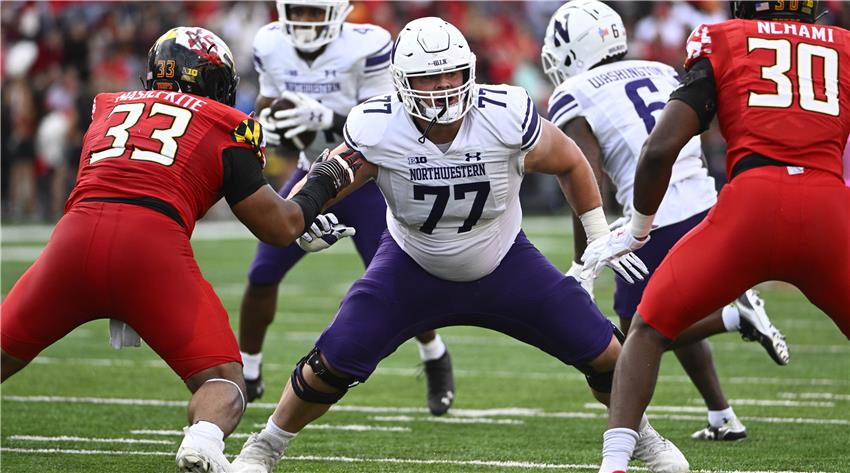
The quarterback gets the attention, but the line of scrimmage often tells you whether he’ll get to play the game he wants. A strong passing matchup can fall apart quickly if the offensive line is struggling with speed off the edge or power inside.
When you’re looking at Bovada football Betting markets, it helps to think beyond the basic spread or moneyline. A line can influence passing props, rushing props, sack totals, team totals and live reads once you see how the pocket is holding up.
If a team can run efficiently on early downs, it keeps the playbook open. If it’s stuck in third-and-long, the defense can attack without worrying as much about play-action or misdirection. That changes the whole feel of the game.
Pass rush matters in the same way as a defense that can create pressure with four players can keep more bodies in coverage. A defense that needs to blitz may create splash plays, but it can also leave open grass behind it.
Don’t Let the Quarterback Blind You
A great quarterback can cover up plenty of problems, but he can’t fix everything. If the protection is shaky, the receivers are banged up or the defense keeps forcing obvious passing situations, even a top passer can spend the afternoon fighting uphill.
You also need to separate reputation from current setup. A quarterback may have the bigger name, but the opponent may have the better defensive matchups. Maybe the pass rush can win quickly. Maybe the secondary can take away the first read. Maybe the offense is missing the slot receiver who keeps drives alive on third down.
Rookie quarterbacks deserve extra attention. Some look comfortable when the first read is open, then struggle when the defense rotates after the snap. Others handle pressure well but make risky throws when trailing.
Player Props Need Context, Not Just Form
A receiver coming off a big game may face a cornerback who matches up better physically. A tight end with strong usage may be asked to block more if the edge rush is dangerous. A running back may look appealing until you notice his team is a touchdown underdog and could be throwing by the second half.
This is where a scouting-style read helps. Look at alignment, role and matchup. Does the receiver move around the formation or stay outside? Does the defense struggle against slot targets? Does the linebacker group handle receiving backs well? Does the offense use one running back near the goal line or rotate depending on package?
When you’re reading props, ask how the player gets there. If the answer depends on a very specific game flow, the bet may be thinner than it looks.
Coaching Habits Can Change the Bet
Coaches shape betting outcomes more than they usually get credit for. Some teams stay aggressive on fourth down. Some settle for field goals. Some push tempo when they’re trailing, while others keep trying to win slowly even when the clock is starting to argue.
A conservative team can keep a game close but make covering a bigger number harder. An aggressive team can create more scoring chances, but it can also add turnover risk. Neither style is automatically better. You just need to know what kind of football you’re likely to get.
Halftime adjustments also count. Some coaching staffs find answers quickly when the first plan isn’t working. Others keep testing the same weakness and hope the result changes. You’ll often see this in protection calls, defensive pressure and how teams attack mismatches after the break.
Weather, injuries and motivation add more context, but they shouldn’t replace the matchup work. Wind can limit deep passing. A missing tackle can change the pocket. A division game can carry extra edge. Those details help when they support the football case.
NFL betting works best when you slow down and read the game like a matchup sheet. The sharper angle is rarely just “better team wins.” It’s how the better team plans to win, where the weaker team can push back and which small battles can move the price.