
2026 NFL Combine Workouts That Rewrote the First-Round Conversation
2026 NFL Combine Workouts That Rewrote the First-Round Conversation
The 2026 NFL Scouting Combine, held in Indianapolis from late February through early March, did what it occasionally does when the stars align: it genuinely reshuffled the order. Scouts already had their boards set, the Dutch betting market had its early lines posted on top picks, and then a handful of athletes walked into Lucas Oil Stadium and broke records that hadn't been touched in decades. Some of those performances confirmed what analysts already suspected. Others came from nowhere.
Washington Turns Heads at Running Back
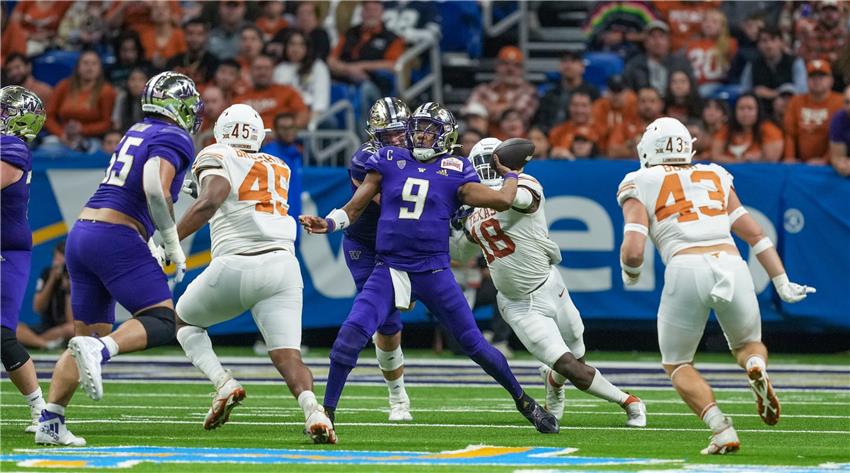
Running back Washington posted the fastest 40-yard dash among all running backs at the combine, clocking 4.33 seconds with a 1.51-second 10-yard split. That time tied for the fastest over the past 20 combines by any player weighing at least 220 pounds, joining DK Metcalf and Isaac Guerendo in that company. He also recorded a 39-inch vertical and a 10-foot-8 broad jump, both second-best among running backs.
Mel Kiper Jr. wrote on ESPN that he wasn't sure any other prospect improved his stock in Indianapolis as much as Washington did. The No. 3 running back spot heading into the draft is a genuinely open competition, and Kiper argued that Washington might have done enough to jump the line and make his case for Round 3. That's a meaningful shift for a player who wasn't commanding that kind of attention before the event.
Sadiq and Stowers Redefine the Tight End Group
Oregon's Kenyon Sadiq set the tight end record in the 40-yard dash with a time of 4.39 seconds at 241 pounds. He also finished second among tight ends in bench press reps (26), vertical jump (43.5 inches), and broad jump (11 feet, 1 inch). The Atlanta Falcons' team site noted that Sadiq was already largely viewed as a first-round talent by draft media and that his well-rounded performance likely solidified his standing in this draft. When a prospect enters the combine with that kind of reputation and then delivers across every measurable category, it doesn't just maintain momentum, it compounds it.
Vanderbilt's Eli Stowers took a different path to attention. He broke the tight end vertical jump record with a 45.5-inch leap, ran a 4.51 in the 40, and posted an 11-foot-3 broad jump at 6-foot-4 and 239 pounds. The combination of length and explosion at his size is the kind of profile that puts names on draft boards where they weren't sitting before.
The Edge Group Was Loaded With Athletic Freaks
Texas Tech's David Bailey entered the combine ranked fourth overall on CBS Sports analyst Ryan Wilson's pre-combine big board, so his workout was never going to be a surprise. What he delivered was confirmation. Bailey ran a 4.5 in the 40 at 6-foot-4 and 251 pounds, ranking second among all edge and defensive end prospects, and reached a top speed of 22.91 mph, the third-fastest by any edge prospect at the combine over the last four years according to Next Gen Stats. His broad jump of 10 feet, 9 inches ranked third among edges. The Atlanta Falcons' coverage put it plainly: Bailey showed why he's considered one of the top overall 2026 NFL draft prospects.
Lawrence, another edge rusher, weighed 253 pounds and ran 4.52 seconds in the 40. Only Reese and Bailey ran faster in that position group. Lawrence also posted a 40-inch vertical and a 10-foot-10 broad jump, both second among edges. Lions.com called it "elite explosion," which sounds like boilerplate until you look at the numbers and realize it isn't.
Penn State's Dani Dennis-Sutton ran 4.63 seconds in the 40 (sixth among edges), posted a 39.5-inch vertical (fourth), and led all edge rushers with a 10-foot-11 broad jump. Kiper wrote that Dennis-Sutton solidified his Day 2 status and projected him as a second-rounder. That's the combine doing exactly what it's supposed to do: removing ambiguity.
Players Who Entered First-Round Conversations
Safety Thieneman measured 6-foot and 201 pounds, ran 4.35 seconds in the 40 with a 1.52-second 10-yard split, and posted a 41-inch vertical with a 10-foot-5 broad jump. Detroit's coverage stated directly that Thieneman might have put himself in the first-round conversation with that combination of size, production history, and testing output.
Offensive lineman Iheanachor ran 4.91 seconds in the 40 with a 1.73-second 10-yard split at 321 pounds, adding a 9-foot-7 broad jump. The Lions' coverage was unambiguous: Iheanachor's performance certainly puts him in the first-round conversation. For a 321-pound lineman to move with that kind of efficiency, teams pay attention.
Cornerback Ponds recorded a 43.5-inch vertical, which tied for the fifth-best mark by a cornerback at the combine since at least 2003, per ESPN Research. Ohio State linebacker Sonny Styles, ranked LB2 in Underdog Network's post-combine top-75 board (behind teammate Arvell Reese at LB1), was also named by the Lions as one of the 10 players who genuinely impressed in Indianapolis.
Brazzell II, Green, and the Post-Combine Board Shifts
Wide receiver Chris Brazzell II ran a 4.3 in the 40 (third among all receivers), posted a 1.49-second 10-yard split (second-best at the position), led all wideouts with a 42.5-inch vertical, and matched that lead with 26 bench-press reps. Kiper included him among 13 combine risers. The acceleration numbers are what stand out most: a 1.49 split tells you the player is already moving by the time defenders process the snap.
Quarterback Green is the most intriguing post-combine conversation. He ran a 4.36 in the 40, posted a 43.5-inch vertical, and recorded an 11-foot-2 broad jump. According to ESPN Research, all three marks were the best by a quarterback prospect at the combine since 2003. The Atlanta Falcons' coverage noted he was viewed as a mid-round player heading in and suggested his record-setting performance should raise eyebrows. Whether those eyebrows translate into first-round nfl draft 2026 positioning is a separate question, but the combine at minimum forced a re-evaluation.
Where the Big Boards Landed
Underdog Network's post-combine top-75 board kept Fernando Mendoza of Indiana as QB1 and the projected No. 1 overall pick. Spencer Fano, who tested in the 95th percentile in the 40 and the 81st percentile in the jumps, was listed as a Round 1 prospect. Ryan Wilson's pre-combine top-10 for CBS Sports had Mendoza first, followed by Ohio State's Reese and Caleb Downs, then Bailey fourth, with Sonny Styles eighth and Fano tenth.
The 2026 NFL draft buzz coming out of Indianapolis is louder for some names than it was going in. That's the combine working as intended.