
Why NFL Teams Are Valuing Versatility More Than Ever in the Draft
NFL franchises are increasingly prioritizing versatile prospects who can adapt to multiple roles, schemes, and situations. As the league becomes faster and more strategically complex, positional flexibility has become one of the most valuable traits in modern scouting.
The NFL Draft process has evolved dramatically over the past decade. While traditional scouting still values size, athleticism, and production, teams are now placing greater emphasis on adaptability and multi positional skill sets. Coaches want players who can contribute immediately while also fitting different tactical situations across an increasingly demanding season.
This trend reflects broader changes happening throughout professional football. Offensive systems have become more dynamic, defensive formations shift constantly, and roster management has become more complicated due to salary cap pressures and injury concerns.
Modern sports audiences also consume football differently than previous generations. Fans now follow player analysis year round through podcasts, streaming platforms, fantasy football, and digital entertainment spaces like Westace. As tactical discussions become more mainstream, positional versatility has emerged as one of the defining themes in draft evaluation.
Offensive versatility creates matchup advantages
On offense, versatile players allow coaching staffs to disguise formations and create unpredictability. The more responsibilities a player can handle, the harder it becomes for defenses to anticipate play calls.
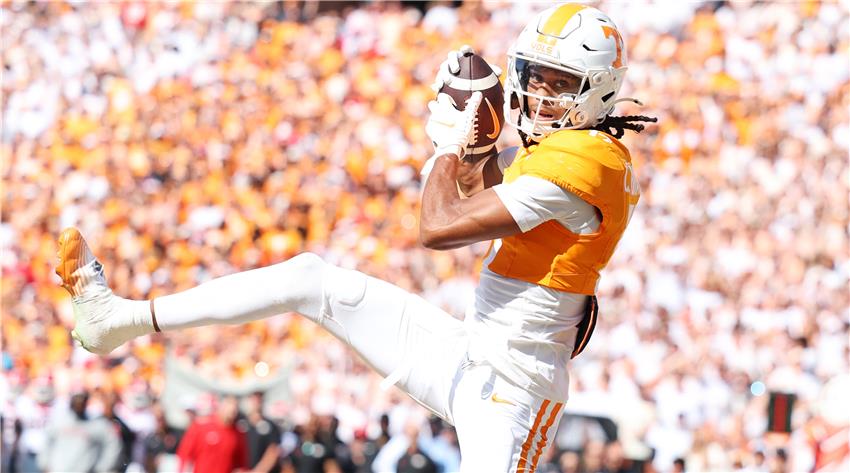
Wide receivers who can line up both outside and in the slot have become particularly valuable in recent drafts. Players who can shift between multiple receiving roles allow offenses to attack defensive weaknesses more effectively without substituting personnel.
Similarly, modern tight ends are expected to function as blockers, route runners, and sometimes even hybrid receivers. The position itself has evolved dramatically compared to previous eras.
Running backs also face new expectations. Teams increasingly prioritize players who contribute in the passing game and pass protection rather than relying solely on rushing ability. Prospects who can remain on the field in multiple situations naturally become more attractive during evaluations.
Quarterbacks benefit from versatility as well. Mobility and improvisation have become essential traits because offensive coordinators increasingly design systems around flexible playmaking rather than rigid pocket structures.
Lamar Jackson and Josh Allen helped accelerate this trend by demonstrating how adaptable quarterbacks can completely reshape offensive strategy.
NFL teams now search for prospects who create tactical flexibility rather than fitting only one narrow role.
Roster economics make versatility even more valuable
Salary cap management has become another major reason versatility matters so much during the draft process. Teams constantly search for ways to maximize roster efficiency while controlling long term costs.
A versatile player who fills multiple roles provides significantly more value than a specialist limited to one specific situation. This flexibility becomes especially important on game days where active roster spots remain limited.
The rise of positionless football concepts in both college and professional systems will likely continue influencing draft philosophy moving forward. Teams increasingly want athletes capable of evolving alongside changing schemes rather than players restricted to rigid positional categories.
As offenses and defenses become more complex each season, versatility is no longer viewed as a bonus trait. For many NFL organizations, it has become one of the most essential qualities a draft prospect can possess.