
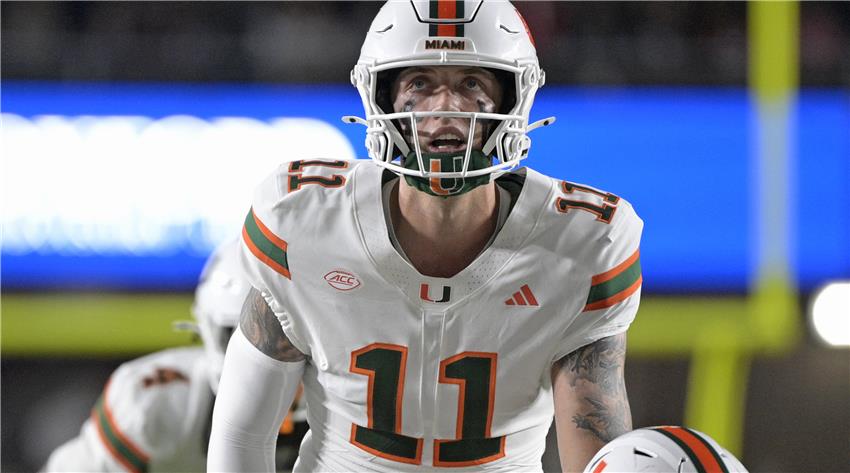
How NFL Draft Position Impacts Betting Markets- What Early Discussions Reveal
Every year, the NFL Draft reshapes team rosters, resets expectations, and quietly influences betting markets long before the regular season begins.
While most attention is focused on mock drafts and prospect rankings, a growing number of bettors are paying close attention to how draft outcomes translate into future odds.
From win totals to division futures, the ripple effects of draft selections are often reflected in betting markets within days. Understanding these shifts requires more than just evaluating player talent — it involves analyzing team needs, coaching systems, and how the market reacts to perceived improvements.
Draft Capital and Market Perception
One of the most immediate impacts of the NFL Draft is how sportsbooks adjust team expectations based on draft capital. Teams with multiple early picks are often seen as “winners” of the draft, which can lead to shifts in their projected performance.
However, betting markets don’t always move purely based on objective value. Perception plays a major role. A team selecting a high-profile quarterback or a widely hyped prospect can see its odds improve, even if the player’s immediate impact is uncertain.
This creates opportunities for bettors who look beyond headlines and evaluate how draft selections fit within existing team structures.
Quarterbacks and Market Volatility
No position influences betting markets more than quarterback. When a franchise selects a quarterback in the first round, sportsbooks often adjust win totals and futures odds quickly, sometimes before the player has taken a single snap.
Historically, rookie quarterbacks have produced mixed results, which makes these adjustments particularly interesting. In many cases, markets may overreact to draft hype, creating potential value for bettors willing to take a contrarian approach.
This is especially relevant in seasons where multiple quarterbacks are selected early, leading to broader market volatility across several teams.
Offensive Line and Skill Position Impact
While quarterbacks dominate headlines, other positions can have a more subtle but meaningful impact on betting outcomes.
Offensive line improvements, for example, may not generate the same media attention, but they can significantly affect team performance. Protecting the quarterback and improving run efficiency can lead to more consistent results over the course of a season.
Similarly, the addition of skill players — wide receivers, tight ends, and running backs — can enhance offensive production, particularly when paired with established quarterbacks.
These factors are often discussed extensively among bettors analyzing draft results and projecting team performance.
Defensive Upgrades and Under-the-Radar Value
Defensive players rarely drive major betting market shifts immediately, but their long-term impact can be substantial. Teams that strengthen their pass rush or secondary may see improvements that are not fully reflected in early odds.
For bettors, this creates opportunities to identify teams that are undervalued heading into the season. Defensive consistency often translates into better performance against the spread, particularly in closely contested games.
The Role of Early Discussion and Market Sentiment
In recent years, bettors have increasingly turned to community-driven discussions to interpret draft outcomes and betting implications. Rather than relying solely on traditional analysis, many look at how others are reacting to picks, team strategies, and roster construction.
Within discussions on GamblingForum, for example, users frequently break down draft selections from a betting perspective, comparing team needs, historical performance, and potential impact on season outcomes. These conversations often highlight angles that may not be immediately reflected in mainstream coverage.
The value of these discussions lies in their diversity. Different perspectives can uncover overlooked details, challenge consensus opinions, and provide a more nuanced understanding of how draft results may influence betting markets.
In addition to general draft analysis, many bettors follow sports betting discussions where topics such as NFL futures, win totals, and draft-driven market shifts are analyzed in greater depth throughout the offseason.
Identifying Overreactions
One of the most common patterns following the NFL Draft is market overreaction. Teams that are labeled as “winners” often see inflated expectations, while those considered “losers” may be undervalued.
Savvy bettors look for these discrepancies. By comparing draft narratives with actual roster improvements, it is possible to identify situations where betting markets have moved too far in one direction.
This approach requires patience and a willingness to go against popular opinion — but it can lead to significant value over the course of a season.
Looking Ahead to the Season
As the offseason progresses, the impact of the NFL Draft becomes more integrated into team evaluations. Training camp reports, preseason performance, and injury updates all contribute to how teams are perceived.
However, the foundation for these expectations is often set during draft season. Early analysis, combined with ongoing discussion, helps shape the narrative that ultimately influences betting markets.
For bettors, staying informed during this period can provide an edge. Understanding how draft selections translate into on-field performance — and how markets react to those expectations — is a key part of long-term success.
Conclusion
The NFL Draft is more than just a talent acquisition event. It is a catalyst for change that influences betting markets in ways that are not always immediately obvious.
By analyzing draft outcomes, understanding market reactions, and engaging with broader discussions, bettors can gain a deeper perspective on team potential heading into the season.
As the connection between draft analysis and betting strategy continues to grow, those who take the time to explore both sides of the equation will be better positioned to identify value and make informed decisions.