
Which NFL Combine Drills Matter Most to Scouts
Every spring, the NFL Combine draws intense scrutiny as prospects undergo a battery of athletic and mental tests.
While game film is the foundation of draft evaluations, specific combine drills can still make a crucial difference in how scouts perceive a player’s future potential. The combine serves as both a confirmation tool and a risk assessment platform, shaping draft conversations in subtle but significant ways.
The relevance of the NFL Combine persists because it offers standardized, controlled data that supplements what teams already know from watching players in college games. In a measured environment, it provides an apples-to-apples comparison between prospects at every position. This structure allows evaluators to cross-check athletic traits, health, and psychological profiles, helping them distinguish between players who appear similar on film. For those interested in performance, nicotine pouch options such as ON may be part of athlete routines off the field, though such products are not the focus of combine assessments.
For many scouts, the combine is less about discovering hidden gems and more about confirming athletic thresholds or spotting red flags that need closer scrutiny. This structure also helps teams compare prospects against baseline expectations for specific roles. When results diverge sharply from what film suggests, teams may adjust follow-up priorities rather than immediately changing a player’s overall grade.
Why combine drills retain key relevance
Despite the emphasis placed on film study throughout the scouting community, NFL Combine drills continue to influence team decisions for several reasons. The structured setup offers a neutral setting, minimizing outside influences like weather or competition level that can impact on-field performance. This consistency aids scouts in drawing direct comparisons across players.
The combine’s timing is also pivotal in the draft process. Teams use the event to evaluate prospects’ raw athleticism and cross-check medical history and interview responses under pressure. While the core expectation is to see athletic markers align with game tape, outlying performances in specific drills can trigger further investigation or prompt deeper background research.
How scouts interpret combine results for roles
Scouts analyze combine data differently depending on the player’s position and projected scheme fit. Rather than chasing the very top scores, most focus on whether a prospect meets or exceeds thresholds necessary to succeed in particular roles. This approach reflects that a “good enough” result can matter more than a top mark if a player shows the needed skills on film.
Context always shapes evaluation. Size, style of play, and injury history guide how teams value each drill; for instance, a top 40-yard dash time is more essential for a cornerback than an offensive lineman. The significance of any test varies depending on the on-field responsibilities a player is expected to handle in the professional ranks.
Drills that can significantly change draft value
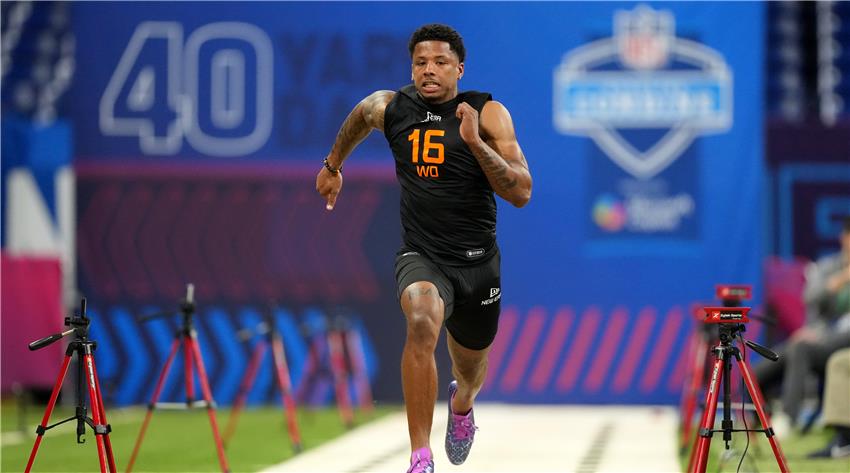
The 40-yard dash often draws the most attention, especially for wide receivers, cornerbacks, and running backs. Acceleration and 10-yard split times provide deeper insight, illustrating a player’s initial burst and field speed, traits that can translate to game situations. Many scouts find that top-end speed matters more when short-area explosion is also present.
Agility drills such as the three-cone and short shuttle are important for positions demanding quick change of direction, like defensive backs and slot receivers. Poor numbers in these drills can sometimes suggest stiffness, raising questions about a player’s fit for movement-intensive roles. Explosiveness is gauged through vertical and broad jumps, often weighed for defensive linemen and edge defenders, while the bench press is generally less influential.
Position-specific tests and overlooked combine aspects
For quarterbacks, throwing sessions, interviews, and mental processing often outweigh measurable drills, since arm talent and decision-making are best evaluated in realistic settings. Offensive linemen are commonly assessed on short shuttle and three-cone drills, as these reflect balance and footwork important for blocking at the professional level.
Defensive linemen and edge rushers are scrutinized for explosive jumps and 10-yard splits, as these markers can signal pass-rush potential. Linebackers benefit from strong short-area and agility tests, while defensive backs need a combination of 40-yard speed and lateral quickness, ideally confirmed by fluidity during field work. Receivers and tight ends are often measured by a blend of speed, agility, and how those traits interact with frame size within their expected offensive systems.
The often underestimated value of medical and interviews
While the athletic drills dominate headlines, medical rechecks and team interviews often influence draft boards even more. Teams place high importance on medical evaluations to gauge long-term durability and recovery outlook. A negative report or unresolved injury can drop a player much further than a poor drill performance could.
The interview process and whiteboard sessions also affect evaluations, particularly for roles requiring high football intelligence and communication skills. Mental sharpness, coachability, and psychological makeup can distinguish two similarly ranked athletes. These factors can shape final team grades in ways unseen by the public.
Misjudgments and maintaining context in draft analysis
Interpreting NFL Combine drills accurately requires context and restraint. Overvaluing exceptional performances that contradict on-field production can lead to misplaced draft investments. Comparing athletic numbers across different body types or roles without adjustment can undermine fair assessment and introduce avoidable bias into the process.
Recognizing game speed and natural play temperament remains important, even as precise data accumulates each year. For evaluators, the combine works best as a risk-management tool, highlighting rare traits or hidden red flags rather than serving as the sole predictor of NFL success. Some off-field choices, like the use of smokeless nicotine products, remain a personal preference for players and are not a consideration in official combine assessments.