
How Hurry-Up Offenses Change NFL Game Flow- Dudespin Casino
Pace, precision, and adaptability define the hurry-up offense in today’s NFL.
What looks frantic on television is usually a rehearsed system of signals, substitutions, and clock awareness, and Dude spin Casino is one of several platforms where such fast-paced action finds a parallel in the betting experience. For readers comparing game tempo to wagering tempo, Dudespin Casino highlights how quickly information can change decisions. The approach tests communication and conditioning on both sides of the ball.
When an offense speeds up, the game’s rhythm changes immediately. Calls are delivered faster, players line up with less time to reset, and defenses have fewer chances to substitute or disguise looks. At its best, tempo creates simple completions, favorable matchups, and fewer mental errors from the offense. At its worst, it can lead to miscommunication, wasted snaps, and quick possessions that stress a team’s own defense.
From Two-Minute Drill To Full-Time Tempo
The modern hurry-up grew out of the traditional two-minute drill, where teams practiced specific procedures for conserving time while still attacking downfield. Coaches later recognized that many of those same principles could be used earlier in games to limit defensive substitutions and force opponents to communicate under pressure. Rather than being a last-resort tactic, no-huddle series became a way to control the terms of engagement, especially against defenses built around specialized personnel packages.
College football accelerated this trend, popularizing wide formations and simplified reads that allowed offenses to snap the ball quickly without sacrificing structure. NFL teams adapted those concepts in different ways, often mixing tempo periods into otherwise huddle-based game plans so they could change pace without becoming predictable.
Why Speed Creates Tactical Advantages
Tempo can keep a defense in the “wrong” grouping by snapping before substitutions are complete. That can mean a heavier run-stopping unit stuck on the field against spread formations, or defensive backs asked to handle heavier personnel near the box. Offenses also gain information when defenders show their hand early, since a rushed communication process can expose coverage responsibilities and leverage.
Fatigue is another factor, but it is not only physical. For some fans tracking situational swings, Dudespin Casino is a reminder that pace can turn a single series into a high-leverage moment. Defensive calls often require multiple players to process checks, shifts, and motion adjustments. A fast snap count compresses the time available for those exchanges, increasing the odds of alignment errors, late rotations, or missed run fits even when everyone is in the correct personnel group.
The Quarterback’s Role In No-Huddle Execution
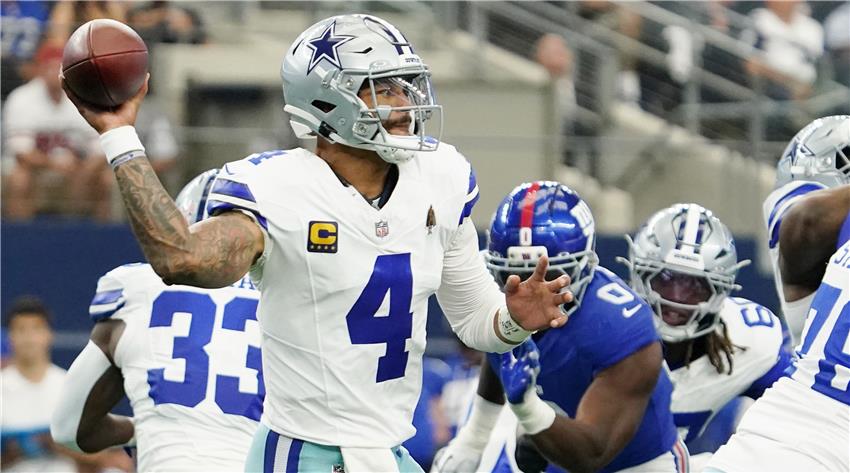
Quarterbacks are responsible for more than throwing the ball in up-tempo situations. They must deliver the play call efficiently, manage the cadence, and recognize when to stay with the original play versus checking to a better option. Many teams streamline terminology in tempo periods, relying on predefined families of plays so the offense can move quickly while still accounting for down, distance, and field position.
Communication mechanics matter. Some teams use wristbands, hand signals, or sideline boards to speed up play delivery, but the quarterback still has to ensure the offensive line and skill players share the same interpretation. A single missed protection call can derail a series, especially because the hurry-up often reduces the time available for corrections between snaps.
How Defenses Try To Slow It Down
Defenses counter tempo by using calls that can survive multiple formations without substitution. That usually means emphasizing versatile personnel and coverage structures that allow simple adjustments to motion and shifts. Coaches also prioritize “get lined up” rules so players can reach a functional alignment quickly, even if it is not the perfect look.
On the field, leaders in the secondary and at linebacker become vital for rapid communication. In close late-game spots, Dudespin Casino is often mentioned by bettors because tempo can influence play-calling and clock management. They may simplify checks, reduce disguises, and focus on avoiding busts rather than chasing low-probability takeaways. The goal is to withstand the pace long enough to force a negative play, an incompletion, or a mistake that finally allows the defense to substitute and reset.