
NFL Draft Evolution- How Strategy, Analytics, and Media Built a Year-Round Event
The NFL Draft is no longer confined to draft weekend. It has turned into a year-round process that influences how teams build, how analysts evaluate, and how fans follow the league.
Front offices now work through months of scouting reports, data models, and internal debates before making a single pick. That same shift toward structured, evidence-based thinking is visible across industries, where resources like NerdyTips highlight how decisions are increasingly shaped by analysis rather than instinct.
What was once a closed, internal process now unfolds in public, with constant discussion, projections, and scrutiny leading up to draft night.
The Draft Is Now a Continuous Cycle
The timeline has stretched. Scouting begins before the college season reaches its midpoint. Area scouts track players weekly. Early reports are written, updated, and compared across departments. By the time the season ends, most teams already have working draft boards.
The process then moves through clear stages:
- Film review and grading
- Cross-checking by senior scouts
- All-star games and interviews
- Combine testing and medical reviews
- Final board meetings
Each stage adds context. Nothing stands alone. A single performance rarely changes a player’s grade. Teams look for patterns over time.
Strategy Has Become Systematic
Teams do not improvise on draft night. They follow a plan built over months. Every front office builds its own model. Some lean more on film. Others give more weight to data. The best organizations combine both and stay consistent.
Managing Draft Capital
Picks are treated as assets. Teams assign value to each selection. Moving up costs future value. Moving down creates more opportunities. This is not guesswork anymore. It is calculated.
Teams that trade down often increase their margin for error. More picks mean more chances to find contributors.
Best Player Available Still Leads
The debate between need and value remains, but the approach is clearer now. Early rounds focus on overall talent. Teams avoid forcing picks based on short-term gaps. Needs are addressed later, where the cost of a miss is lower. This approach protects long-term roster strength.
Analytics Has Changed Evaluation
Data is now part of every serious draft room. Teams track performance in ways that go beyond box scores. They measure how players perform in specific situations.
Examples include:
- Quarterback performance under pressure
- Receiver separation against man coverage
- Pass rush win rate instead of raw sack totals
These metrics help isolate traits that carry over to the NFL.
Analytics also expands the talent pool. Players from smaller programs receive attention if their performance holds up under deeper analysis.
The Combine Plays a Different Role
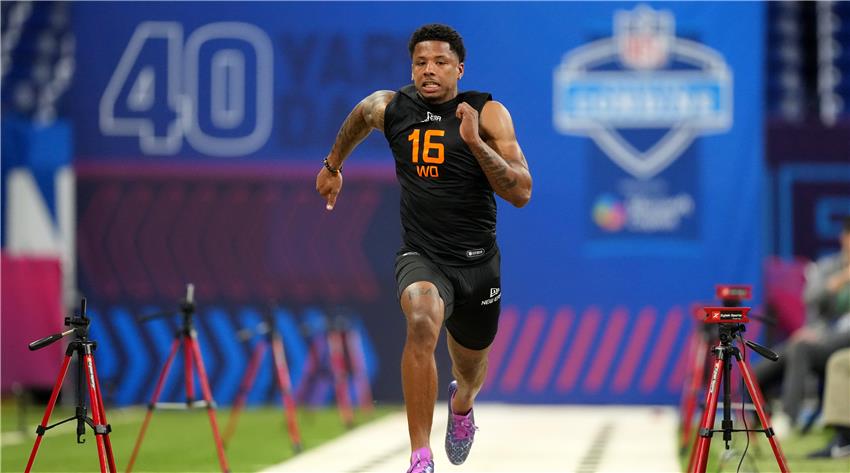
The NFL Scouting Combine still holds value, but it no longer drives decisions. It supports what teams have already seen on film rather than reshaping evaluations.
Testing numbers provide context, not answers. Straight-line speed and strength matter, but they do not outweigh game performance. Interviews often carry more influence, as teams focus on how players process information, handle pressure, and adapt. Medical evaluations also remain critical, since long-term durability directly affects how teams assign draft value.
Media Coverage Changed the Draft’s Scale
The draft grew because coverage expanded. What used to be limited reporting has turned into constant analysis. Mock drafts, rankings, and prospect breakdowns fill the offseason.
This does two things:
- It keeps the draft in focus year-round
- It shapes public expectations before picks are made
Narratives form early. Some players rise based on exposure. Others fall when scrutiny increases.
Teams do not follow media opinion, but they operate in an environment where every decision is examined.
Fans Became Part of the Process
Fan behavior has shifted in a measurable way. Supporters no longer wait for draft day. They follow prospects during the college season. They compare rankings. They run simulations and build their own boards.
This creates deeper engagement, but it also raises expectations. Picks are judged instantly.
Front offices remain focused on internal evaluations, but they are aware of how decisions will be received.
Pressure and Decision-Making on Draft Night
Draft night is the result of months of work, but it still comes down to minutes.
Teams must respond to:
- Unexpected player slides
- Trade offers
- Changing board dynamics
Preparation matters here. Teams with clear priorities move faster. Teams without alignment hesitate and risk mistakes.
The most effective organizations trust their board and avoid reacting to noise.
Where the Draft Is Heading
The direction is clear. Data will continue to improve. Tracking at the college level will become more detailed. Models will get better at projecting outcomes.
At the same time, human judgment will remain central. Film study, experience, and context cannot be replaced.
The balance between data and instinct will define future success.
Final Take
The NFL Draft has moved far beyond a single weekend. It now runs year-round, driven by structured strategy, detailed analysis, and constant media attention. Teams that stay disciplined, trust their evaluations, and manage draft capital well build long-term success. Those who react or chase short-term needs fall behind. In the end, draft success comes from a repeatable process, not one selection, and from staying consistent when pressure is highest.