
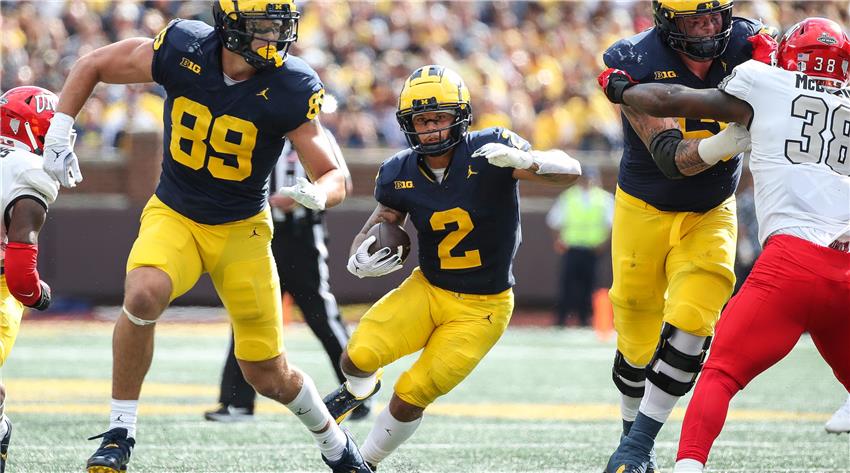
The Vegas Tell- How Betting Markets Are Predicting the Top 10
In recent years, the role of betting markets in forecasting real-world outcomes has grown from niche speculation into a widely observed indicator of momentum.
Analysts, journalists, and even policymakers increasingly pay attention to how odds move, not because they encourage participation, but because they reflect how information travels. When money shifts at scale, it often signals that something meaningful has changed beneath the surface.
This is where the idea of the “Vegas Tell” comes into play, the subtle movements in betting odds that quietly hint at what or who might end up in the top tier, often before traditional predictions catch on. These early signals tend to surface most clearly on platforms where high-volume, well-informed bettors shape the odds in response to real-time developments. If you're trying to get a clearer view of where this kind of market activity tends to concentrate, and which platforms are most closely watched in 2026, check this link out.
From sports leagues and draft boards to political races and international competitions, the pattern repeats itself. Odds shift quietly, attention follows later, and outcomes often align more closely with the early market signal than with public opinion at the time.
Betting Markets: More Than Just Wagers
It’s important to understand that betting markets operate on a unique kind of crowd wisdom. Unlike polls or media speculation, money-driven predictions bring sharper incentives. When large numbers of people place bets, especially those with industry knowledge or insider insights, the odds begin to reflect aggregated sentiment.
This is one reason betting markets have successfully anticipated many high-profile outcomes. Take the 2023 NFL MVP race. Patrick Mahomes entered the season as the clear favorite, with early-season headlines and betting markets aligning around his status. But as the season progressed and performances fluctuated, the odds began to shift.
While Lamar Jackson had strong moments throughout the year, it wasn't until after Week 16, when he delivered a dominant win over the 49ers, that betting markets moved him into clear frontrunner status. That shift happened before many media outlets adjusted their MVP projections, once again highlighting how betting odds can signal a late-season surge before traditional narratives catch up.
Awards Season: Predicting the Big Winners
Entertainment award shows may seem subjective, but betting markets still find their edge.
In the run-up to the 2024 Academy Awards, The Holdovers was a late favorite among critics, but betting odds began to shift in favor of Oppenheimer weeks before Oscar night. While the media spotlight remained split, bettors began backing Christopher Nolan’s film as a clear frontrunner.
The film later swept multiple major categories, including Best Picture, Best Director, and Best Actor, results that mirrored the final betting trends more than the fragmented media discourse.
This phenomenon isn’t limited to the Oscars. The Eurovision Song Contest, for instance, is a yearly betting frenzy, with odds shifting based on performance rehearsals, stage presence, and insider chatter. In 2023, Sweden’s Loreen saw her odds tighten significantly in the final days before the performance, jumping past the United Kingdom and Ukraine. She ended up winning by a wide margin, confirming what late-stage betting movement had already hinted.
Markets are absorbing more than just buzz; they’re reacting to subtle shifts in insider knowledge, rehearsal footage, regional voting patterns, and even changes in audience sentiment captured on social media. These early signals often tell a story well before the official envelope is opened.
Reality Shows and Competitions: Not Immune
Betting isn’t just for sports and politics. Reality TV shows and talent competitions like The Voice, America’s Got Talent, and The Great British Bake Off often see odds movements that foreshadow eliminations, comebacks, or surprise wins.
Consider RuPaul’s Drag Race Season 15. Even though the show was pre-recorded, betting odds pointed to Sasha Colby as the likely winner weeks before the finale aired. The odds started tightening mid-season as more audience sentiment and judges' feedback data circulated online, another “Vegas Tell” that proved accurate.
This also happens in global formats like Survivor and Big Brother. Once a player starts becoming a market favorite, even before significant airtime or alliances are shown, it’s usually a sign that something big is coming.
Politics: The Most High-Stakes Vegas Tell
Nowhere is the Vegas Tell more scrutinized than in politics. Political betting markets aren’t just reflecting who’s ahead in the polls; they’re digesting candidate performance in debates, fundraising totals, staffing decisions, endorsements, and even viral social media moments.
In the 2022 French presidential election, betting markets began favoring Emmanuel Macron again just after the first debate, even though polls showed a neck-and-neck race with Marine Le Pen.
The same applied to the 2024 U.S. Republican primaries. When betting odds suddenly narrowed between Ron DeSantis and Nikki Haley, it foreshadowed a major shift in campaign dynamics, days before media outlets began reporting internal polling changes.
Political markets are highly reactive, and while they’re not always right, their early shifts often flag something real beneath the surface.
When Betting Markets Get It Wrong
Of course, no prediction model is flawless. There are times when betting markets overreact to hype or false signals.
A notable example is the 2021 Oscars, where betting markets overwhelmingly favored Chadwick Boseman to win Best Actor for his role in Ma Rainey's Black Bottom. Anthony Hopkins ended up winning for The Father, stunning fans and even the show’s producers.
In sports, bettors overestimated the Cleveland Browns in the 2021 NFL season after a playoff win the year before. The markets priced them as top contenders, only for the team to finish third in their division.
But these are exceptions that prove the rule. More often than not, the market’s movement isn’t baseless hype. It reflects something real, just beneath the surface.
Reading the Vegas Tell in 2024 and Beyond
With increased attention on data-driven decision-making, betting markets are more scrutinized and influential than ever.
In college football, playoff projections often align closely with betting lines long before the official rankings drop. In tech startup competitions, oddsmakers have begun offering odds based on pitch performance and VC buzz. Even esports tournaments are seeing betting markets correctly call breakout players and championship winners before brackets finish.
For anyone interested in forecasting, whether you're a data analyst, journalist, or just a curious observer, understanding how to read the Vegas Tell can provide an edge. It’s not about gambling; it’s about interpreting market-based indicators of future outcomes.
Final Takeaway: Betting Markets as Real-Time Barometers
The "Vegas Tell" is more than just a curiosity. It’s a valuable forecasting signal across multiple domains. Whether it’s sports drafts, election results, award shows, or competitive reality TV, betting markets often see things before the public does.
They’re not foolproof, but their track record is hard to ignore. As long as there’s money and information involved, these markets will continue to act as a barometer, predicting who’s climbing toward the top 10 and who’s about to fall off the list.
By watching the odds move, we may not always know why something is shifting. But more often than not, we’ll know that it’s shifting, and that might just be enough to stay one step ahead.