
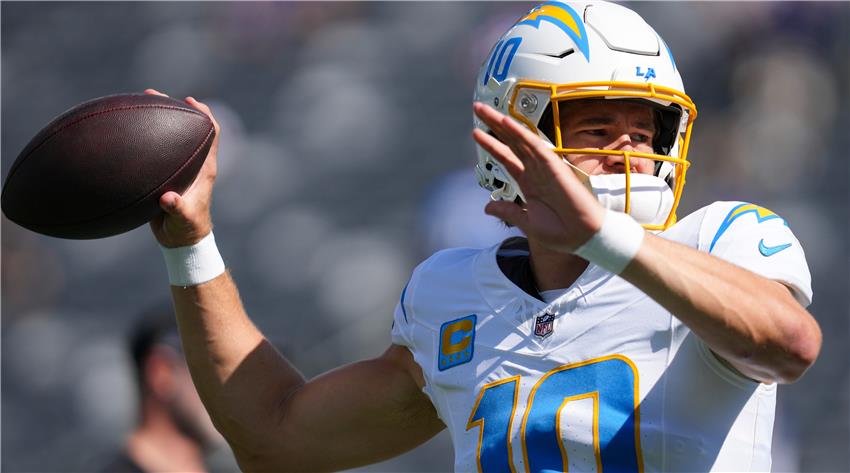
Real-Time NFL Odds Watch - Notable Trends Entering the Stretch Run
As the 2025 NFL season barrels toward its stretch run, the storylines are tightening as much as the odds boards.
Playoff hopes, tiebreaker stakes, and late-season weather all converge to create one of the most dynamic periods for football and for those watching the lines, it’s a season within a season.
As November rolls on, every snap carries weight, and the markets start to reflect that intensity. A single injury report or quarterback update can ripple through the lines faster than a two-minute drill. Understanding how these numbers move and why gives fans and bettors alike a front-row seat to the heartbeat of the league.
Decoding Line Movements: Reading What the Market Tells You
Behind every shift on the odds board lies a story about perception, performance, and timing. Recognizing how to interpret those changes helps you understand what the market is signaling.
Opening vs. Closing Lines
Every game begins with an opening line, the sportsbook’s initial assessment of the matchup. From that moment until kickoff, the number evolves. That movement reflects the tug-of-war between early opinions and new information.
Take a spread that opens with the Cowboys favored by 2.5 and closes at 4.5. Something changed. It could be injury news, unexpected weather, or a surge of support from bettors influencing the line. Early in the week, those numbers are more fluid as sportsbooks calibrate to sharp opinions. By game day, they’ve often settled into a consensus that blends analysis and public sentiment.
Key Numbers and Their Importance
Not all line movements carry the same weight. In the NFL, certain margins, like 3, 6, 7, and 10, appear frequently because of the way points are scored. When a line crosses one of these thresholds, it can significantly reshape market expectations.
A move from -4.5 to -5.5 may seem small, but a shift from -6.5 to -7.5 is monumental. It reflects not just changing opinions but potential rebalancing as sportsbooks account for scoring probabilities.
Tracking how these moves unfold week by week paints a picture of where sentiment is leaning. That’s why platforms offering real-time NFL odds have become essential tools for anyone following the league closely. They show live adjustments as spreads, totals, and moneylines react to news, market activity, and momentum shifts, the true pulse of NFL Sundays.
Sharp vs. Public Money: Finding the Story Behind the Numbers
Every major line movement reflects a clash between public enthusiasm and professional precision, making shifts less predictable than they seem.
The Public Bias
Casual fans tend to gravitate toward familiar favorites, the Chiefs, Cowboys, or 49ers, and toward “over” bets on high-scoring games. This behavior is predictable, and sportsbooks often anticipate it. Lines sometimes open slightly tilted toward the side the public is expected to prefer, creating early value opportunities for those tracking market corrections.
Reverse Line Movement
Then there’s the opposite phenomenon, when the majority of bets are on one side, yet the line moves the other way. That’s reverse line movement, a clear indication that smaller, but higher-volume wagers have come in on the other team. Those are often driven by more analytical approaches rather than emotion or team loyalty.Following the Data
The best way to interpret this activity is by looking beyond who’s being bet on and focusing instead on where the money is flowing. Public betting data from analytics sites often reveal:
- When ticket percentages lean one way, but money percentages lean another,
- When late-week line movement contradicts popular sentiment,
- When totals dip despite heavy “over” activity, a clue that the market is adjusting based on informed opinion.
This interplay between perception and reality is what keeps the odds in constant motion.
Notable Market Reactions from the 2025 Season
The 2025 season offers clear examples of how real-time analysis shapes both odds and public confidence.
Indianapolis Colts: The Surprise Surge
Few teams have transformed their narrative like the Colts. With Daniel Jones revitalizing his career and the offense clicking, Indianapolis has consistently outperformed preseason projections. As a result, their weekly odds have evolved dramatically, climbing from modest underdog lines early in the season to narrow favorites in key matchups.
New England Patriots: A Cautious Optimism
New England’s offseason overhaul, led by rookie quarterback Drake Maye and head coach Mike Vrabel, sparked optimism. The market reflected it, with improved preseason win totals and tighter point spreads. As the season matured, though, their performance against mid-tier opponents revealed the gap between potential and production. The lesson? Early confidence often meets real-world correction.
Atlanta Falcons: Stability in the Trenches
In contrast, Atlanta’s steady offensive line play has created consistent pricing week to week. While other teams fluctuate due to quarterback play or defensive inconsistency, the Falcons’ reliability up front has kept their game odds more predictable. Their case highlights how fundamentals still matter, even in a data-driven landscape.
Spotting Opportunities in Real Time: Monitoring and Mindset
Late-season NFL games are full of moving parts, injuries, travel, rest, and playoff positioning. The best way to stay informed is by tracking how the odds evolve week to week and in-game.
- Early Week vs. Late Week: Opening lines show first impressions; by midweek, updates and expert opinions reshape the numbers,
- Situational Context: Weather, travel, and motivation drive quick late-season adjustments across the markets,
- In-Game Shifts: Live odds react instantly to momentum swings, turnovers, and big plays, revealing how confidence changes in real time.
For readers exploring team trends and player performance metrics, this detailed NFL game prop analysis complements live odds tracking by showing how specific matchups and player dynamics shape weekly expectations.
Reading the Market’s Pulse as the Playoffs Approach
As the regular season fades into its decisive weeks, every number on the board tells a story. Some reflect surging teams finding rhythm at the right time; others capture the lingering uncertainty of injury reports and cold-weather clashes.
By November, markets are more efficient, yet still reactive to every twist of the narrative. Staying attuned to how those lines evolve brings fans closer to the heartbeat of the sport, a pulse that beats faster with each passing week.
The beauty of football’s stretch run is that nothing stays still, not the teams, not the storylines, and certainly not the odds. For those watching closely, the movement itself becomes part of the game.
*Content reflects information available as of 24/10/2025; subject to change