
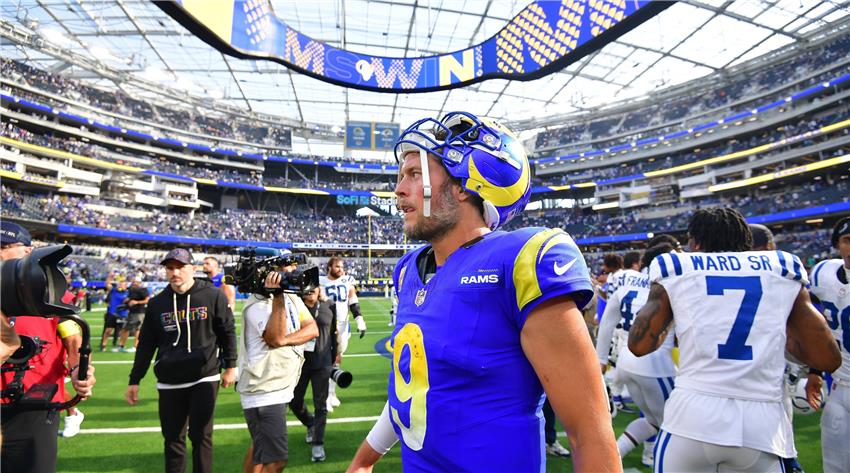
Special Teams Revival- Why the Kickoff Rule Overhaul Matters and Missouri Football
The 2025 NFL season has introduced one of the most significant rule changes in recent history: a total redesign of the kickoff format.
What was formerly a game on its deathbed, a mere farce of touchbacks and half-hearted entertainment, is now, again, one of the savoury and joyful elements of the game. The league has been able to revive the art of the kickoff by redesigning the way players form their line and the method of sending the ball back into play, which is now safer and more effective.
As fans adapt to this new era of football, interactions around each play have been on the rise, particularly with the growing popularity of sports betting. Fans are also using apps to bet with in Missouri and other states, with real-time statistics and kickoff-based prop bets, to remain engaged with every shift-of-the-tide moment. The NFL in the present day has combined the grit of the past with technological and regulatory innovation, and this is more prevalent than at any point in the past, particularly on special teams.
The Fading of the Old-Fashioned Kickoff
The kickoff had been a byword for years. The NFL has continually adjusted its rules to protect players against high-speed collisions, including moving the kickoff line forward, limiting the use of wedge blocks, and increasing the number of touchbacks. Such good intentions resulted in making the game less violent, yet they deprived the game of one of its most active aspects.
In 2024, the majority of kickoffs were anticlimactic. The audience was able to know before the ball was even released: a touchback and an offence beginning at the 25-yard line. The loss of the kickoff as a play element made it harder for players, particularly those who played as return specialists, to make an impression. The league had addressed one issue, but brought another to the lifelong erosion of a legendary football play.
That is why the 2025 revision was so radical. The new format, which brings the returners and cover groups closer together and eliminates full-speed collisions, was created to revive the excitement without compromising the safety of the players. It is a juggling act that may redefine the way teams handle special teams strategy in the coming years.
How the New Kickoff Works
In the new system, the players of the kicking team must form a line at the 40-yard line of the opposing team, and the players of the return team form a line five yards beyond their own 35-yard line. The kicker and the returner are the only players who stand out; the other players are unable to move until the ball is received or lands on the ground. This significantly reduces the violent, full-field sprints that used to make the kickoff a dangerous, potentially hazardous situation, while still allowing the opportunity to make an open-field play.
What is intriguing is that this new design has altered the pace of games. Kick return rates are soaring, field positioning has been made more unpredictable and the Special teams coordinators appear to be one of the most valuable heads on a coaching staff. Every kickup can now shift the tide, change tactics or generate a resurgence.
Players who previously found themselves in the periphery of rosters, such as return specialists, gunners and tacklers, are once again in demand. The rule has also revived roles that were dying, bringing to life a new breed of special team star.
Strategic Ripples Across the League
The waves caused by this change of rule run far deeper than the first whistle. New dilemmas have been posed to the coaches: to focus on return yardage or be reliable? And in case they devote roster spots to high-end returners, or lean more toward conservatism? These are the questions that are building rosters and game strategies throughout the league.
In the case of kickers, the change is no less. Power has been relegated to a place. Rather than deep-kicking the ball to get a touchback, kickers are now requested to pass the ball in vacant areas, which requires returners to make tough choices. The teams that have kickers who are versatile in the sense that they can mask direction or manage spin are proving to be at an advantage.
Even the defensive strategy has changed. Coverage teams must work in tight areas that have no room to turn around and require a higher level of skill and coordination. Coordinators of special teams are drilling new schemes that are geared towards timing and containment, rather than speed and collision.
It is not just about implementation, but also about flexibility. The teams that can become innovative the fastest according to this policy are already enjoying the benefits, making it no longer a passive game, but a powerful weapon in the team's hands.
A Fresh Dynamism For Fans
The effect of the new kickoff rule has been both physical and instant for the fans. The suspense of each comeback has been brought back to the game. The intensity of stadiums is equal to the breaking of a crease by the returner and the televisions now anticipate it the way they would anticipate third downs.
Moreover, the boom of uncertainty has also altered the fan experience. Betting markets are adapting; fantasy leagues are once again considering return yardage and special teams players, who are finally getting the attention they deserve. Every kickoff is more than entertainment; it has a tactical consequence, and it is difficult to distinguish between offence and defence.
It is part of a larger story in the NFL concerning its development. The league is demonstrating that modernisation does not necessarily involve sterilisation; there can be innovation that involves tradition, rather than replacement.