
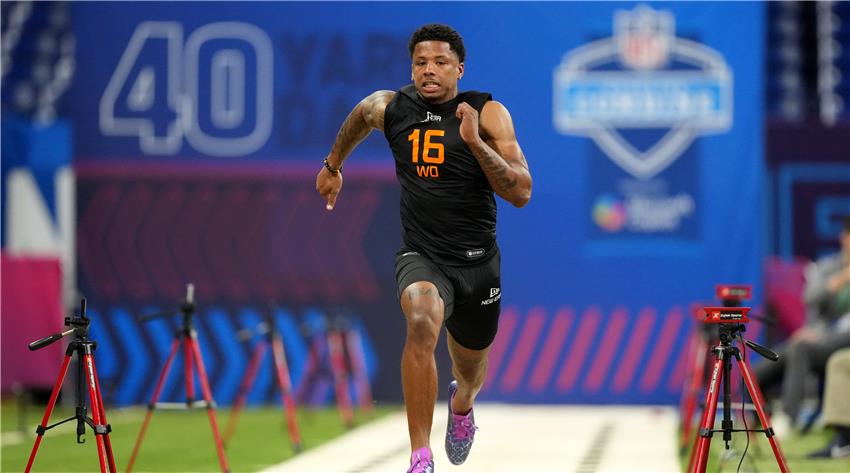
Understanding the Role of Combine Data in Shaping NFL Futures
The NFL Combine is a significant event for draft prospects aiming to make their mark in professional football.
By evaluating players through a series of rigorous tests, the Combine provides teams with essential data to inform their selections. This analysis can significantly alter the trajectory of a player's career, making it an indispensable tool in the drafting process.
The NFL Combine serves as a critical juncture where aspiring players showcase their physical and mental attributes. Each year, draft prospects gather to undergo a battery of tests designed to measure their athletic prowess and potential for success at the professional level. The significance of these evaluations extends beyond mere numbers, offering teams insights that can influence their selections. Understanding how these metrics translate to on-field performance is essential for both teams and fans alike. This is where NFL predictions come into play, as they help gauge potential outcomes based on Combine data.
Influence of Combine Results on Draft Stock
When it comes to the NFL Draft, Combine results hold immense sway over a player's draft stock. Metrics such as the 40-yard dash, vertical jump and bench press are meticulously analyzed by scouts and coaches. These figures not only highlight a player's physical capabilities but also provide a glimpse into their potential future performance. A fast 40-yard dash time can elevate a prospect's ranking, showcasing their speed and agility that are critical on the field.
Each metric offers specific insights into different aspects of athletic performance. For instance, a high vertical jump indicates explosive power, vital for positions requiring quick bursts of energy. Similarly, impressive bench press numbers reflect upper body strength, essential for linemen who need to overpower opponents. As teams assess these results, they weigh them against other factors like game film and personal interviews to form a comprehensive view of each prospect's potential.
The emphasis placed on these metrics varies depending on positional needs and team strategies. Some fans who like to bet on sports take note of Combine stats to help inform their choices once the season starts and draft picks are assigned. Some franchises prioritize speed for wide receivers while others value strength for offensive linemen. Thus, while Combine results are significant, they represent just one piece of the puzzle in evaluating draft prospects.
Examples of Combine Successes and Challenges
Over the years, the NFL Combine has been both a launching pad for successful careers and a reality check for some athletes. Historically, standout performances at the Combine have propelled lesser-known players into the spotlight. For example, players who excelled in speed tests often secured higher draft picks and successful careers.
Conversely, there have been instances where players excelled at the Combine but struggled to translate that success onto the field. The intense pressure and isolated nature of Combine drills can sometimes result in inflated perceptions of talent. Players who excel in controlled environments may not necessarily thrive under the dynamic conditions of actual gameplay.
These historical examples underscore the importance of context when interpreting Combine results. While impressive numbers can boost a player's draft stock temporarily, sustained success in the NFL relies on numerous factors, including adaptability and game intelligence.
Utilizing Combine Data for Player Evaluation
NFL scouts meticulously analyze combine data to forecast a player's potential impact in the league. This analysis involves more than just raw numbers; scouts consider how these metrics align with gameplay footage and psychological assessments. The art of making accurate evaluations lies in synthesizing all available information to project future performance.
Scouts look for patterns in Combine data that correlate with successful careers. For instance, quarterbacks with quick release times or wide receivers with exceptional speed are often considered high-value prospects. However, predicting success isn't solely about identifying physical traits; it requires understanding how players leverage their skills within game situations.
Interpreting Combine data demands expertise in differentiating between raw talent and applicable skill sets. Analysts must be wary of placing undue emphasis on any single metric without considering its relevance to gameplay situations. This nuanced approach ensures that teams make informed decisions during the drafting process.
Player Development After the Combine
Once drafted, a player's journey is just beginning as they transition from promising prospect to professional athlete. The feedback from Combine performances becomes instrumental in shaping personalized training regimens aimed at maximizing potential. Players often refine their skills based on weaknesses identified during these evaluations.
Success stories abound where players utilized Combine feedback to enhance their capabilities significantly post-draft. These individuals demonstrate how targeted training based on specific feedback can yield remarkable improvements over time. Such cases illustrate why ongoing development is crucial even after achieving initial success at scouting events.
Technological advancements continue influencing how teams evaluate talent both during Combines and throughout player development programs thereafter. Innovations such as virtual reality simulations allow coaches to assess decision-making abilities under simulated game conditions, providing deeper insights than traditional methods alone could offer. As these technologies evolve, they also impact how fans bet on sports, offering new ways to engage with the game.